

arstechnica.com
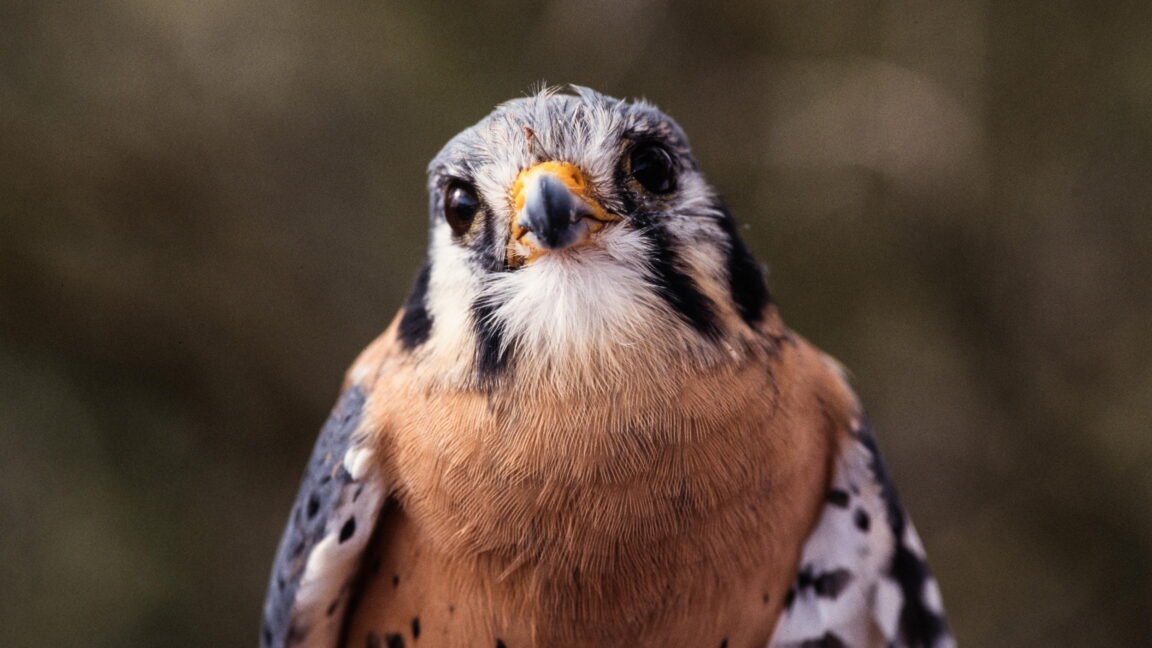
Food poisoning from Campylobacter, often linked to birds, is a rising global health threat. A Michigan State University study proposes a natural solution: using kestrels. By installing nesting boxes, farmers can attract these birds of prey, which reduce populations of pest birds that spread the bacteria.
Researchers found that on cherry farms, kestrels effectively lower both crop damage and the risk of bacterial transmission from wild birds. As kestrels are abundant in Michigan, 80-100% of the boxes are successfully occupied. The study suggests this eco-friendly strategy allows farmers to manage pests and meet conservation goals simultaneously without clearing land.
