

www.sciencedaily.com
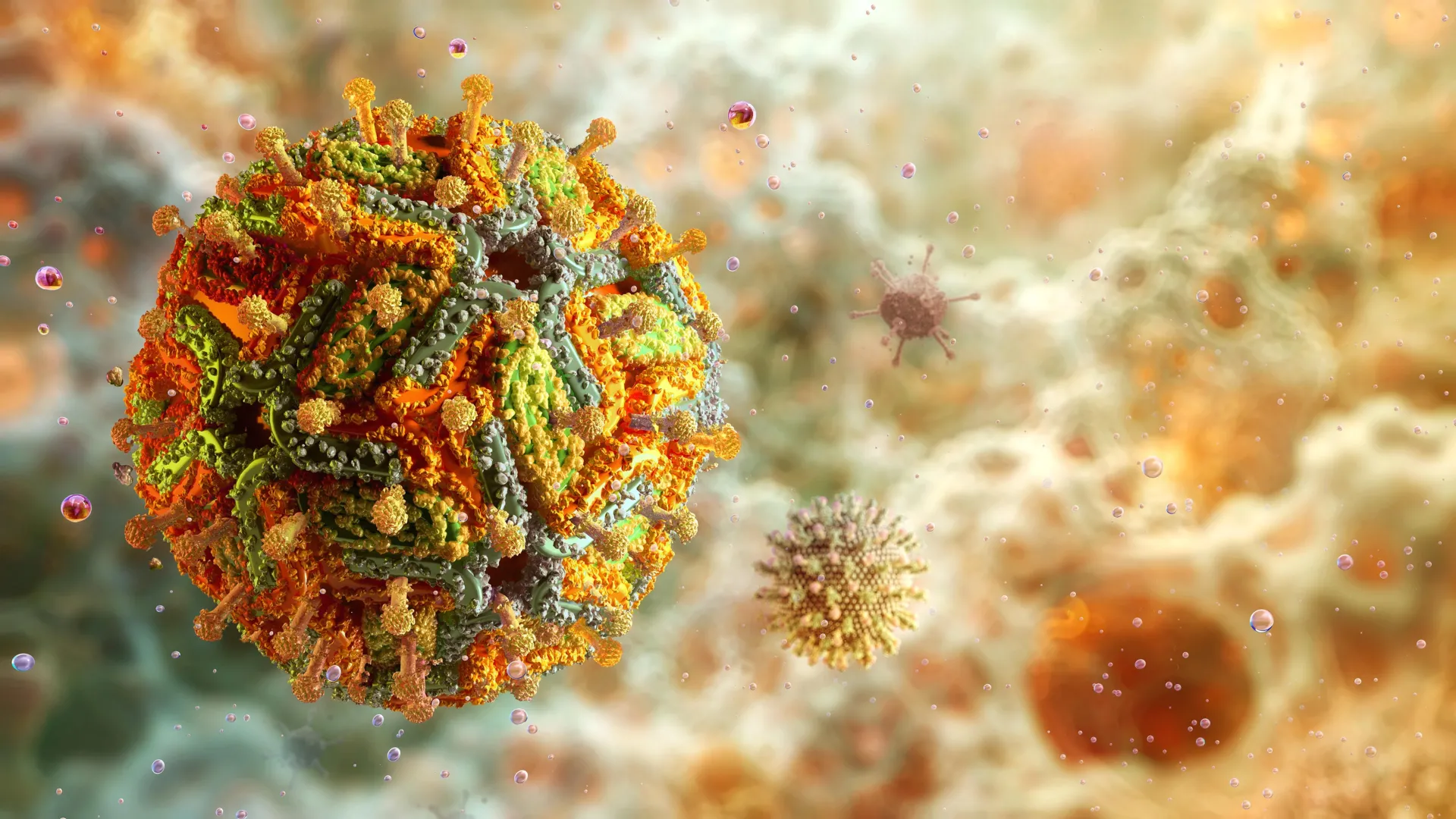
University of Queensland scientists achieved near-atomic resolution imaging of yellow fever virus particles, revealing significant structural distinctions between vaccine and virulent strains. This detailed visualization highlighted key differences in the virus’s surface proteins, potentially impacting its interaction with host cells. Understanding these structural variations offers valuable insights for developing more effective vaccines and antiviral therapies against yellow fever, as well as related mosquito-borne diseases like Zika and dengue. The research provides a foundation for designing targeted interventions that can neutralize the virus more efficiently.
