

www.niehs.nih.gov
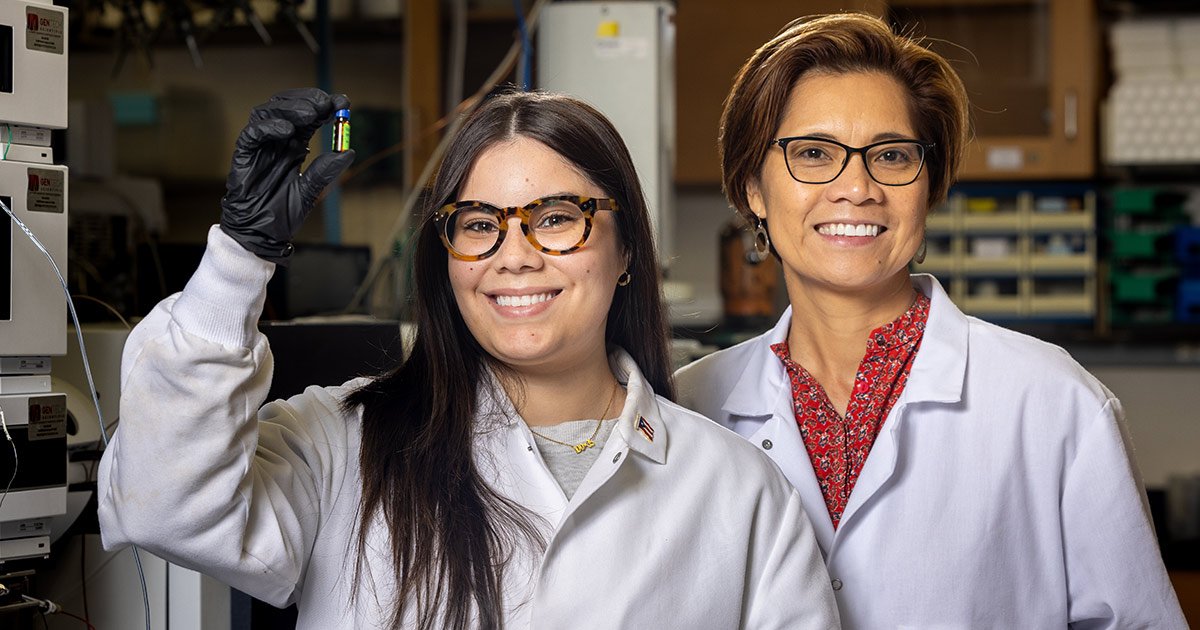
NIEHS-funded scientists created a new method to simultaneously detect short, ultrashort, and long-chain PFAS in environmental and biological samples. This analytical breakthrough addresses a significant gap in current testing capabilities, as previous methods often struggled to accurately measure these different PFAS classes together. The technique improves environmental monitoring and human exposure assessment for these persistent “forever chemicals.” It enables more comprehensive detection across various sample types, supporting research into the health impacts of PFAS exposure and helping regulatory agencies better understand contamination levels in water, soil, and biological specimens. This advancement facilitates more accurate risk assessment and informs public health policy regarding these widespread environmental contaminants. (98 words)
Read More
